(Image source from: x.com/WhiteHouse)
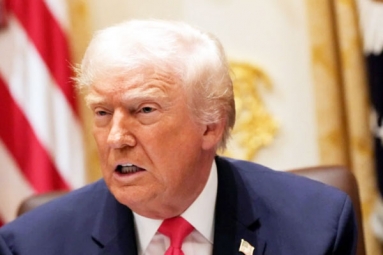
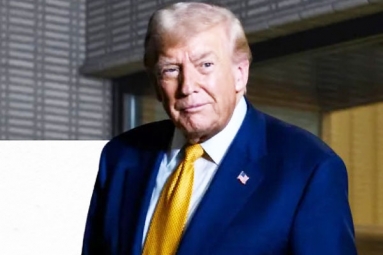
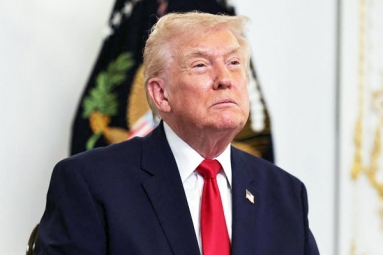
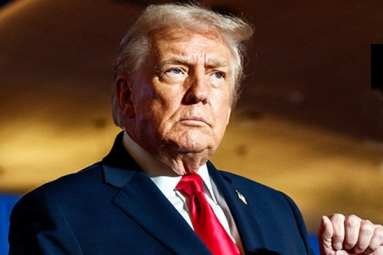
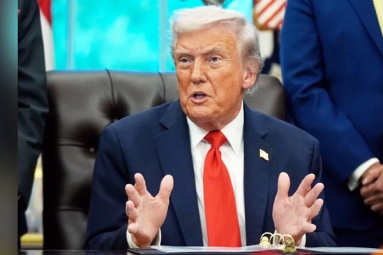
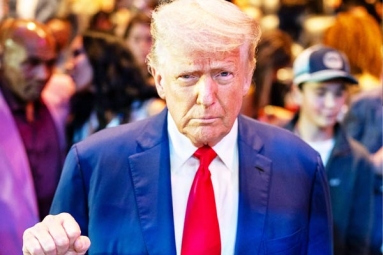
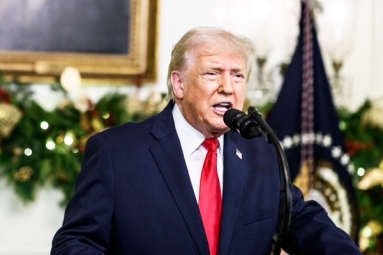
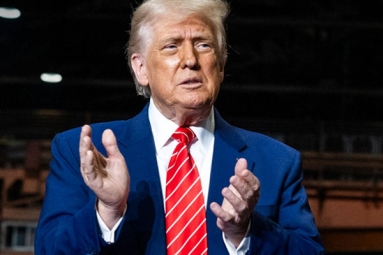
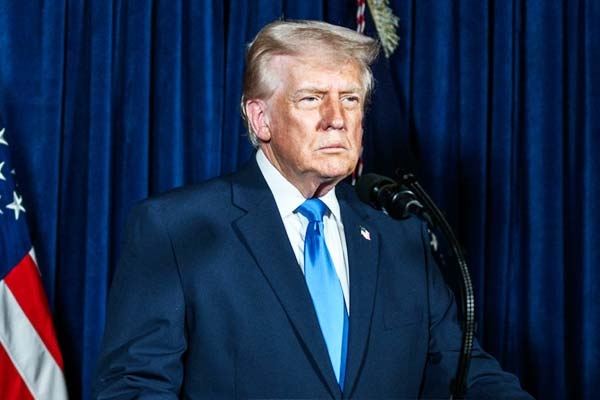
United States President Donald Trump issued another warning to India about tariffs on January 5 for purchasing oil from Russia, as reported by Reuters. While speaking to journalists, he mentioned, “We might increase tariffs on India if they do not assist with the Russian oil situation. ” Nevertheless, he also expressed some optimism, stating that Indian Prime Minister Narendra Modi “is a good person” and that India “aimed to please me.” He further remarked, “They wanted to make me happy, really. . . PM Modi is a very decent man. He’s a good person. He understood that I was not pleased. It was essential for them to make me happy. They are involved in trade, and we can impose tariffs on them very swiftly…” ANI reported his comments.
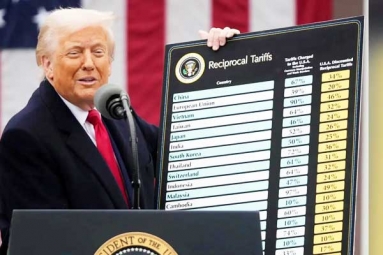
In an audio recording shared by the White House, Trump is heard telling reporters on Air Force One that he could “easily” increase tariffs on India if the issue regarding Russian oil purchases is not resolved to his liking. Meanwhile, US Senator Lindsey Graham, who was with Trump, informed reporters that India is responding to US requests. “I was at the Indian Ambassador's residence a month prior, and all he wanted to discuss was how India is reducing its imports of Russian oil. He asked me to communicate to the president to lift the 25% tariff,” he stated. Previously, the US had set a 50% tariff on India, of which 25% was described by Trump as “punishment” for acquiring Russian crude. India faces some of the highest tariffs from the US; the initial 10% was later followed by a 25% tariff on August 7 and reached 50% by the end of that month last year.
India and the US are engaged in developing a comprehensive Bilateral Trade Agreement (BTA), with the first phase expected to be finalized and announced shortly. Importantly, data from the trade research group Global Trade Research Initiative (GTRI) revealed in December that India's exports to the US fell for the fourth consecutive month across various sectors. Indian exports to the US plunged 37.5% across all categories from May to September 2025, dropping from $8.8 billion to $5.5 billion—one of the most significant short-term declines in recent years, according to the study.
The study revealed that items that previously had zero tariffs saw a 47% drop in exports to the US, falling from $3.4 billion in May to $1.8 billion in September. The largest downturns were seen in smartphones and pharmaceuticals. Other industries, such as industrial metals and auto parts, which are uniformly taxed globally, faced a relatively less severe impact. Exports of aluminum decreased by 37%, copper by 25%, auto parts by 12%, and iron and steel by 8%. Exports in textiles, gems and jewelry, chemicals, agricultural products, and machinery fell by 33%, reducing from $4.8 billion in May to $3.2 billion in September. The analysis also indicated declines in chemicals, marine and seafood, textiles, as well as agricultural and processed foods.